Home › Services
Privacy fence in Indianapolis: a wood fence built for Indiana clay and weather
Ask a dozen Indianapolis homeowners what fence they picture behind the house and most will describe tall wooden boards. Wood screens the patio from the yard next door, hides the street from a dog that reacts to every stroller and suits a 1950s brick ranch as easily as a vinyl-sided two-story on a new cul-de-sac. The tradeoff is upkeep. Boards swell and shrink, sunlight grays them and buried timber eventually decays, and central Indiana clay speeds all of that along. Below you will find how the lumber species differ, which styles hold up, how a solid fence should be framed against wind, which hardware survives treated wood and when to stain, so a proposal makes sense before the first hole is dug. When the details are clear in your head, the contact page is the place to start.
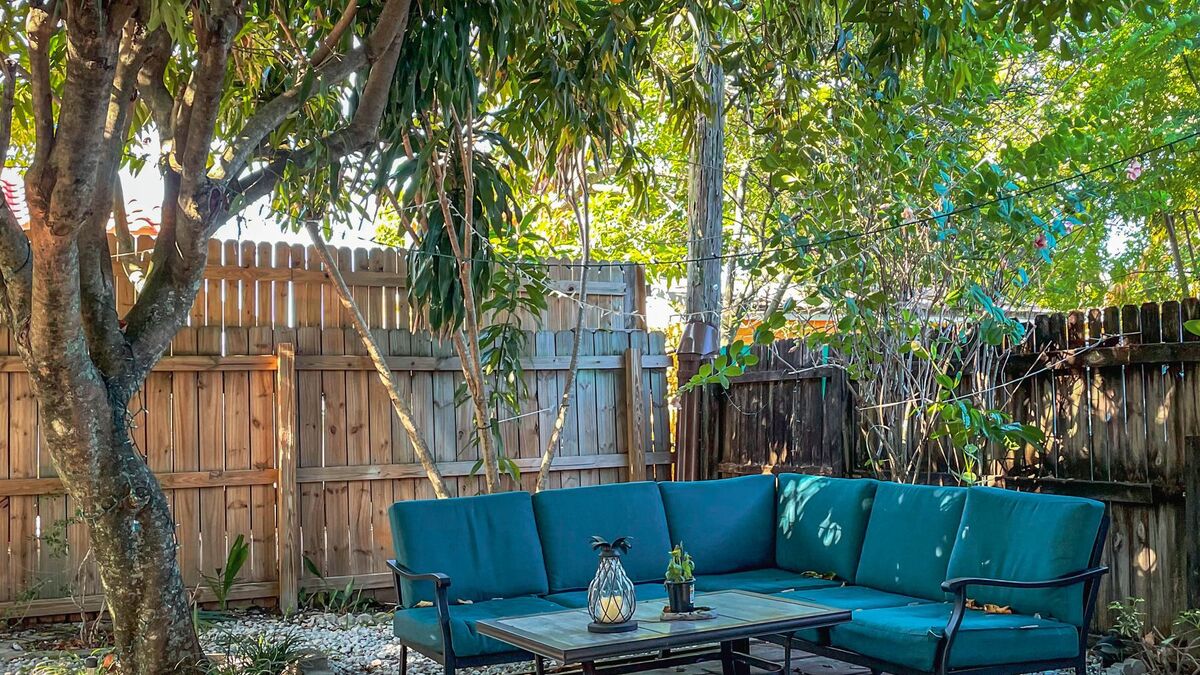
Pressure-treated pine versus cedar
Two kinds of lumber account for almost every wooden privacy fence around the city. Southern yellow pine soaked with a copper-based preservative is the default: dense, strong, easy to find at any yard and the lighter hit to a budget. Western red cedar is the upgrade. It weighs less, stays straighter as it seasons, resists decay naturally in its darker heartwood and has a reddish tone many owners like enough to keep under a clear finish.
Each has a weakness worth knowing. Treated pine tends to leave the plant saturated, so boards narrow once they are up; pickets that touched in spring may show slivers of daylight by fall. Cedar moves less and stays flatter, yet it dents under a soccer ball and should never be relied on to survive in the ground. That is the reasoning behind a popular hybrid, cedar boards and rails hung on treated posts.
Reading the tag: why ground-contact lumber matters for posts
Treated wood comes in more than one retention level. Lumber intended for decks and framing that stays above the soil carries less preservative than lumber stamped for ground contact, and on a fence post that gap decides how long the fence stands. A post lives in wet clay year round, and the band of wood at the surface, where oxygen, moisture and fungi all meet, is where nearly every post gives out.
Check the stamp or end tag on the posts before they get set. You want to see ground contact printed there. It is also fair to ask whether trimmed post tops will get a brushed-on preservative, since cutting a post exposes interior wood the treatment never fully reached.
Cedar posts deserve extra caution. A lot of the cedar on the market today includes light-colored sapwood that has almost no natural resistance. Owners who want the cedar look on posts can wrap a treated post in cedar boards, or hide a galvanized steel post inside a cedar sleeve so nothing wooden sits in the dirt.
Common board layouts and how each one behaves
The layout of the boards affects cost, screening, wind resistance and aging. These are the options that show up on most local estimates:
- Stockade: pickets set side by side with dog-eared or pointed tops. It is the most economical solid fence, though shrinking pine leaves narrow cracks between boards.
- Board-on-board: pickets overlap, alternating front and back of the rails, so drying never opens a sightline. It looks good from both yards and takes considerably more lumber.
- Shadowbox: pickets alternate sides with open spacing, so breezes and filtered light pass at an angle while a direct view stays blocked. It handles gusty, exposed lots well.
- Horizontal: boards span post to post with slim gaps between them. It looks contemporary, but long boards droop unless posts are closer together or a mid-span stiffener is added, and some associations do not allow it.
- Cap and trim: a flat board across the top with a trim piece below it, which can be added to most layouts. Covering the picket tops keeps rain off the end grain, where decay often starts.
Sizing and spacing posts on a fence that blocks every gust
An open fence lets moving air through. A wooden privacy fence stops all of it and passes that push straight down into the posts, so post choices count for more here than on any see-through design. The digging and setting sequence itself lives on the fence installation page.
- Four-by-four posts are typical on residential privacy runs and perform well on protected lots at normal heights.
- Six-by-six posts are worth the upgrade at gates, corners and end posts, and on any stretch that faces an open field or a pond where wind builds speed.
- Treated pine line posts often go in at roughly eight-foot centers, and careful builders shorten that on tall fences, horizontal layouts and exposed sites. Extra posts add holes and concrete but reduce the leverage on each footing.
- Some contractors offer galvanized steel posts concealed behind the wood. Steel cannot rot at the soil line, which takes the single most common failure off the table.
Summer storms and the three ways a privacy fence goes down
Every summer, lines of thunderstorms cross the flat country around Indianapolis, and their straight-line gusts knock down more wooden fences than anything else. When a long section ends up in the grass, the cause is almost always one of three things: posts broke at grade where decay had hollowed them, posts rolled over in soaked clay that could no longer hold them, or the rails pulled free because rusted fasteners gave up.
Smart design lowers the odds. Spaced layouts such as shadowbox let some pressure escape. Heavier posts at the most exposed corners, deeper holes in soft ground and gravel around each footing all add margin. A fence on an open, treeless lot in a newer Plainfield subdivision sees harsher wind than one sheltered by old maples on an established street, and the framing should account for that. If a storm has already laid a section down, the fence repair page covers how that gets put right.
Nails, screws and hinges that survive treated lumber
The copper in modern wood preservatives attacks plain steel much faster than the older chemistry did. An uncoated nail or a thinly plated screw in treated pine can corrode away in a few years, staining the boards with dark streaks while the rails gradually separate from the posts. Use hot-dip galvanized or stainless steel fasteners throughout, and choose hinges, latches and rail brackets labeled as compatible with treated wood.
Ring-shank and spiral-shank nails hold far better than smooth ones as boards expand and contract with the weather. Exterior screws hold even better and make replacing a single picket simple down the road. For cedar, stainless is the safe choice, because tannins in the wood react with ordinary galvanizing and leave a dark ring around each fastener.
When and how often to stain a wooden fence
Once the fence is up, the finish is the biggest lever left in the owner's hands. Unprotected boards take on rain, swell, dry, shrink and check over and over, and ultraviolet light breaks down the surface until it turns silver and rough. A penetrating stain slows both kinds of wear. A workable routine goes like this:
- Give fresh treated pine time to dry. Expect several weeks to a couple of months before it accepts stain; sprinkle a little water on a board, and if the drops sit on the surface, keep waiting. Cedar and kiln-dried treated stock are usually ready sooner.
- Wash the boards. A deck cleaner or brightener lifts mill glaze, pollen, grime and mildew so the finish can absorb instead of film over.
- Choose a penetrating semi-transparent or solid-color stain made for exterior wood. Paint and clear varnish usually peel on fences, since moisture gets in through the cut ends and the unfinished back.
- Finish both faces and the top edges where they can be reached. A fence coated only on the house side dries lopsided and the boards cup.
- Plan on a fresh coat every few years. The faces that catch south and west sun fade fastest and usually decide when the whole fence needs doing.
Where wood breaks down first, and what slows it
A wooden fence wears out at a handful of predictable spots, and each one can be protected to some degree.
- Decay at grade: the section of post at the soil surface stays wet longest. Crowning the soil or concrete so water runs away from the post, and keeping mulch and fabric off the wood, both help.
- Heaving in winter: saturated clay swells as it freezes and grips the post, lifting it. A post set below the frost zone on a gravel base resists that far better than a shallow post in a flared concrete collar.
- Soggy picket ends: boards that touch grass or soil draw water upward. Keep a small gap above the ground, or run a replaceable treated board along the bottom.
- Sprinkler spray: heads that wet the fence every morning keep it damp all summer. Turning them away is free and adds years.
- Cupping and splitting: one face drying faster than the other pulls boards out of shape. Finishing both sides and using enough fasteners per board keeps them flatter.
What pushes the price of a wood privacy fence up or down
Pricing comes after the contractor sees the yard, but these factors account for most of the spread between two estimates:
- Species and grade: cedar or treated pine, and clear or select boards versus knotty common stock.
- Layout: board-on-board and shadowbox need more pickets than stockade, and a cap and trim adds material and time.
- Height, overall length and the number of corners, ends and gates, each needing heavier posts and more labor.
- Post upgrades: six-by-six timbers, closer spacing or concealed steel raise the materials line while lowering long-term risk.
- Digging conditions: dense clay, tree roots, old footings and slopes all slow the auger.
- Whether staining is included now or scheduled after the lumber dries.
Deciding whether wood is right for your yard
Line up competing estimates item by item. When one is far below the rest, look for quiet substitutions: above-ground posts, wider spacing, smooth nails or no cap. Wood makes sense for owners who like a natural look, want many style choices and value being able to swap one cracked board without disturbing its neighbors. If staining every few years sounds like a chore you will skip, vinyl fencing is the common low-maintenance route to privacy.
Whether the yard is a corner lot in Greenwood, a narrow alley lot in Beech Grove or another spot on the service area list, head to the contact page and describe the run with a picture or two. A contractor who works the area can then visit and go over wood options with actual figures.
Privacy fence in Indianapolis — common questions
How many years will a wooden privacy fence hold up in central Indiana?
Nobody can give one reliable figure, since the answer rides on the posts, the finish and the ground. Ground-contact treated posts set beneath the frost zone on gravel often carry a fence a long time before any of them need work. Cedar boards that get resealed on schedule usually outlive pine boards. The fences that age quickest sit in soggy low spots, take daily sprinkler spray or have dirt mounded against the bottom. Staining on time, keeping turf trimmed off the boards and swapping a bad picket early all add years.
Is cedar worth paying more for than treated pine?
That comes down to priorities. Cedar seasons flatter, shrinks less, takes stain well and has a richer natural color, which appeals to owners who intend to keep the fence looking fresh. Treated pine is stiffer, easier on the budget and copes fine without a finish because the preservative goes deep into the board. Plenty of people compromise with cedar boards over treated posts. If you already know the fence will never see a brush, cedar loses much of its advantage.
When can I stain a brand-new treated pine fence?
Pine that was treated wet usually needs weeks, sometimes a couple of months, to dry enough for stain to penetrate. Try the water test: sprinkle a few drops on a board, and if they stay beaded, give it more time; if they soak in within minutes, go ahead. Warm, windy stretches dry wood faster, and a shaded run on the north side may trail the rest. Stock marked kiln-dried after treatment can typically be finished much earlier.
Which side of the fence should face out?
Tradition and many subdivision covenants point the smooth side toward the neighbor or the street, leaving posts and rails visible from your own yard. That presentation also looks tidier from the road, which is why associations tend to require it. Read your covenants first, since some state it outright. If you want a clean view from your own deck as well, board-on-board and shadowbox look nearly identical on both faces and settle the question.
Why did slivers of light appear between my new fence boards?
The likely cause is treated pine pickets installed while still wet from the preservative. Through the first warm season each board loses a little width as it dries, and on a stockade fence where pickets simply touch edge to edge, those losses become thin gaps. That is ordinary behavior and does not mean the job was done poorly. If complete screening matters to you, an overlapping board-on-board layout keeps shrinkage from ever opening a view.
What does a kickboard do on a wooden fence?
A kickboard, also called a rot board, is a treated horizontal plank fastened across the bottom of the fence at or just below grade, with the pickets stopping above it. It absorbs the ground moisture and string-trimmer nicks that would otherwise chew up picket ends, and it closes the low gaps small dogs squeeze through. When it finally decays, it unscrews and gets replaced in an afternoon while the pickets above stay untouched.
Talk through your site
Start with the address, what you want done, and a few photographs of the area, including anywhere water sits after a heavy rain.
Related work
Fence Installation
New fences on central Indiana clay, posts below frost, permits, association approval and gates.
Fence Repair
Leaning and heaved posts, storm damage, rotted boards, torn chain link and dragging gates.
Vinyl Fences
Vinyl privacy and picket fencing, how to judge quality and how it holds up through winter.
Chain Link Fences
Galvanized and black chain link for dogs, side yards and long property lines.
Aluminum Fences
Ornamental aluminum for pools and front yards, grades, gates and open-style rules.
Across the metro
Greenwood
South-side suburb with large subdivisions, association rules and slow-draining clay.
Plainfield
West-side growth with new builds on graded lots and open, windy ground.
Avon
Fast-growing west-side township with young subdivisions, pools and dog owners.
Beech Grove
Small city of older homes on tight lots with alleys and aging fences.